SEO vs SEM vs GEO: which should you invest in?
Three ways to get found when customers search, with very different costs, speeds and staying power. A plain-English guide to choosing the right mix for your business.

SEO, SEM and GEO all aim to put your business in front of people who are searching for what you sell. They work in very different ways, cost money in different ways, and deliver results on different timelines. Choosing the wrong one, or the right one at the wrong time, is one of the most common and expensive mistakes we see Singapore businesses make. This guide explains each one in plain English and helps you decide where to invest.
- SEO earns free (organic) visibility in Google’s results. It’s slower to build but keeps working long after the effort is made.
- SEM (mainly Google Ads) buys visibility at the top of search results. It’s fast and controllable, but the traffic stops when the budget stops.
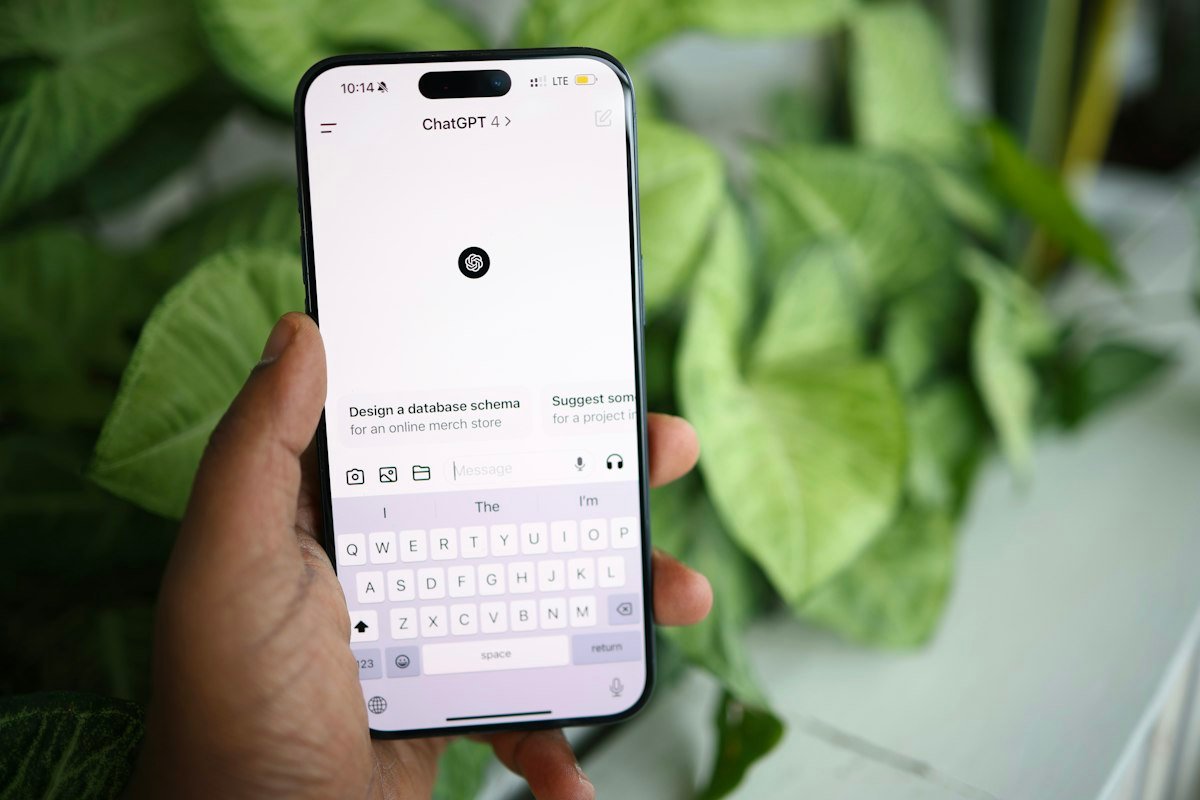
- GEO gets your business mentioned in AI answers from Google AI Overviews, AI Mode, ChatGPT and Gemini. It builds on SEO.
- Google handles about nine in ten searches in Singapore, so all three revolve around how people search on Google, with AI tools growing quickly alongside it.
- The right mix depends on how fast you need leads, your budget, and how much research your customers do before buying.
SEO, SEM and GEO in one sentence each
- SEO (Search Engine Optimisation): improving your website so it ranks higher in unpaid search results.
- SEM (Search Engine Marketing): paying to appear in search results, usually through Google Ads, where you pay when someone clicks.
- GEO (Generative Engine Optimisation): making your business more likely to be mentioned and cited in AI-generated answers.
Strictly speaking, some marketers use “SEM” to mean all search marketing, paid and organic. In Singapore, and in this guide, SEM means paid search advertising, which is how most business owners use the term.
SEO vs SEM vs GEO at a glance
| SEO | SEM (Google Ads) | GEO | |
|---|---|---|---|
| Where you appear | Organic search results, Google Maps | “Sponsored” ads at the top and bottom of results | AI Overviews, AI Mode, ChatGPT, Gemini, Perplexity |
| How you pay | Time and expertise; no cost per click | Pay per click, set by an auction | Time and expertise; no cost per mention |
| Speed to results | Months | Days | Weeks to months, usually alongside SEO |
| When you stop | Rankings fade gradually | Traffic stops almost immediately | Mentions fade gradually |
| Control | Indirect: Google decides rankings | High: you choose keywords, budget, ad copy | Indirect: AI decides what to cite |
| Best for | Long-term, cost-efficient lead flow | Fast leads, testing, seasonal offers | Staying visible as AI answers grow |
| Main risk | Slow start; algorithm updates | Rising click costs; wasted spend | Measurement is still immature |
SEO: the long-term foundation
SEO builds visibility you don’t pay for per click, and it compounds over time. Once your pages rank, they can bring in enquiries month after month without a growing ad bill.
Because Google handles about nine in ten searches in Singapore (Statcounter, 2026), ranking well on Google is still the single most valuable form of free visibility for most local businesses.
Strengths
- No cost per click, so the cost per lead tends to fall over time
- Builds credibility: many people trust organic results more than ads
- Supports GEO, because AI features are built on search results
Limitations
- Takes months to build, especially in competitive industries
- Rankings depend on Google’s algorithms, which change
- Fewer clicks when AI summaries appear: Pew Research found clicks on regular results fell from 15% to 8% of visits when a summary was shown (Pew Research Center, July 2025)
SEM: fast, targeted and controllable
SEM puts your business at the top of Google within days, and you control exactly which searches you appear for and how much you spend. With Google Ads, you bid on keywords, write your own ads, set a daily budget and pay each time someone clicks.
The price of a click is set by an auction, so it varies widely by industry and competition. Google also rewards relevant, high-quality ads and landing pages, which means a well-run account can pay less per click than a poorly run one competing for the same keyword.
Strengths
- Immediate visibility, ideal for new businesses or new services
- Precise targeting by keyword, location, device and time of day
- Clear, measurable return when conversion tracking is set up properly
- A fast way to test which services and messages customers respond to
Limitations
- Traffic stops when the budget stops
- Click costs can rise as competitors bid on the same keywords
- Poor setup wastes money quickly: broad keywords, no negative keywords and weak landing pages are the usual culprits
GEO: being part of the AI answer
GEO makes your business more likely to be named when people ask AI tools for recommendations, comparisons and advice. It matters because AI answers are now mainstream: Google reports more than 2.5 billion monthly users of AI Overviews (Google, May 2026), AI Mode passed 1 billion monthly users (Alphabet, July 2026), and ChatGPT reached 900 million weekly users (TechCrunch, February 2026).
Research behind the term found that adding statistics, citations and quotations made sources up to 40% more visible in AI answers in testing (Aggarwal et al., KDD 2024). Google, meanwhile, says no special tricks are needed for its AI features beyond strong SEO fundamentals (Google Search Central).
Strengths
- Visibility in the answers people read instead of clicking
- Builds brand recognition and trust early in the buying journey
- Reinforces SEO, since most GEO work also improves your website
Limitations
- Measurement is still developing; there’s no single “AI rankings” report
- Each AI platform behaves differently and changes quickly
- Depends on solid SEO and reputation to work
For a detailed breakdown, read GEO vs SEO: what’s the difference? and why AI now matters for SEO ranking.
How SEO, SEM and GEO work together
The strongest results usually come from using them together, with each covering the others’ weaknesses.
- SEM brings leads in now while SEO builds. It also shows which keywords actually convert, which tells you where to focus SEO effort.
- SEO lowers your long-term cost per lead as organic rankings take over some of the traffic you’d otherwise pay for.
- GEO protects your visibility as more searches are answered by AI, and builds trust so your ads and organic listings convert better.
Which should your business invest in?
Start from your situation, not from the channel. Here’s how we usually advise Singapore businesses:
| Your situation | Where to start |
|---|---|
| New business that needs enquiries this month | SEM first, with SEO started in parallel |
| Established business with an older website | SEO first: technical fixes and stronger service pages |
| Already ranking well on Google | Add GEO to protect visibility in AI answers |
| Customers research heavily (prices, comparisons, reviews) | SEO + GEO, with SEM for high-intent keywords |
| Seasonal or time-limited offers | SEM for the campaign window |
| Local service business (cleaning, renovation, repairs) | SEO + Google Business Profile, supported by SEM |
Whatever you choose, make sure you can measure it. Track calls, WhatsApp clicks and form submissions as conversions, so you can see which channel produces customers, not just clicks.
What a sensible first 90 days looks like
A good plan starts with measurement and quick wins, then builds the long-term channels. For a typical Singapore SME, a practical first three months might look like this:
Month 1: Measure and fix
- Set up conversion tracking for calls, WhatsApp clicks and enquiry forms in Google Analytics and Google Ads.
- Run a technical SEO check: indexing, page speed, mobile layout and broken pages.
- Claim and complete your Google Business Profile with accurate hours, services, photos and service areas.
- If you need leads quickly, launch a tightly focused SEM campaign on your highest-intent keywords only.
Month 2: Build the pages that sell
- Create or rewrite one strong page per core service, written answer-first with prices, process, areas served and FAQs.
- Use your SEM search-term data to see which phrases customers actually use, and reflect them in your page headings.
- Ask recent happy customers for Google reviews, and reply to every review.
Month 3: Expand and add GEO
- Publish helpful guides that answer the questions customers ask before buying, such as costs, comparisons and “is it worth it”.
- Check how ChatGPT, Gemini and Google’s AI Mode describe your business, and correct gaps on your website and profiles.
- Review results by channel and shift budget towards whatever produces enquiries at the lowest cost.
Common mistakes to avoid
Most disappointing results come from a few avoidable mistakes, not from choosing the “wrong” channel.
- Judging SEO after four weeks. SEO compounds slowly. Set expectations in months, and track leading indicators like impressions and rankings in the meantime.
- Running ads without conversion tracking. Without it, you’re optimising for clicks, not customers, and you can’t tell which keywords pay for themselves.
- Sending ad traffic to the homepage. Send people to a page that matches exactly what they searched for, with a clear way to call or WhatsApp.
- Buying “guaranteed rankings” or “guaranteed AI mentions”. No honest agency can guarantee positions Google or AI systems control.
- Treating channels separately. Your ads, website, Google Business Profile and AI visibility all reinforce each other. Plan them together.
Tell us about your business and goals, and we’ll recommend an honest mix of SEO, Google Ads and GEO, including what we’d skip.
Frequently asked questions
Is SEO or SEM better for a small business?
It depends on urgency and budget. SEM delivers leads quickly but costs money for every click. SEO takes longer but becomes more cost-efficient over time. Many small businesses start with a focused SEM campaign while building SEO in the background.
Can I do GEO without SEO?
Not effectively. Google says its AI features use pages that are indexed and eligible to appear in search with a snippet. Without SEO foundations, AI tools have little to find or cite.
How long does SEO take to work in Singapore?
Most businesses see early movement within a few months, with stronger results over six to twelve months. Competitive industries and newer websites take longer. Be cautious of anyone guaranteeing first-page rankings.
Do Google Ads help my SEO rankings?
Not directly. Paying for ads doesn’t change your organic rankings. But ad data shows which keywords convert, which helps you prioritise SEO content, and more visibility can grow brand searches over time.
The bottom line
SEO, SEM and GEO aren’t competing options. They’re tools for different jobs. SEM buys you speed, SEO builds lasting and cost-efficient visibility, and GEO keeps your business in the conversation as AI answers more of your customers’ questions.
- Need leads now? Start with well-tracked SEM.
- Want lower costs over time? Invest in SEO.
- Want to stay visible as search changes? Add GEO on top of strong SEO.
See how we approach each in our services, or book a free audit and we’ll tell you honestly where your budget will work hardest.